How Random Selection Works Inside Prize Wheel Games
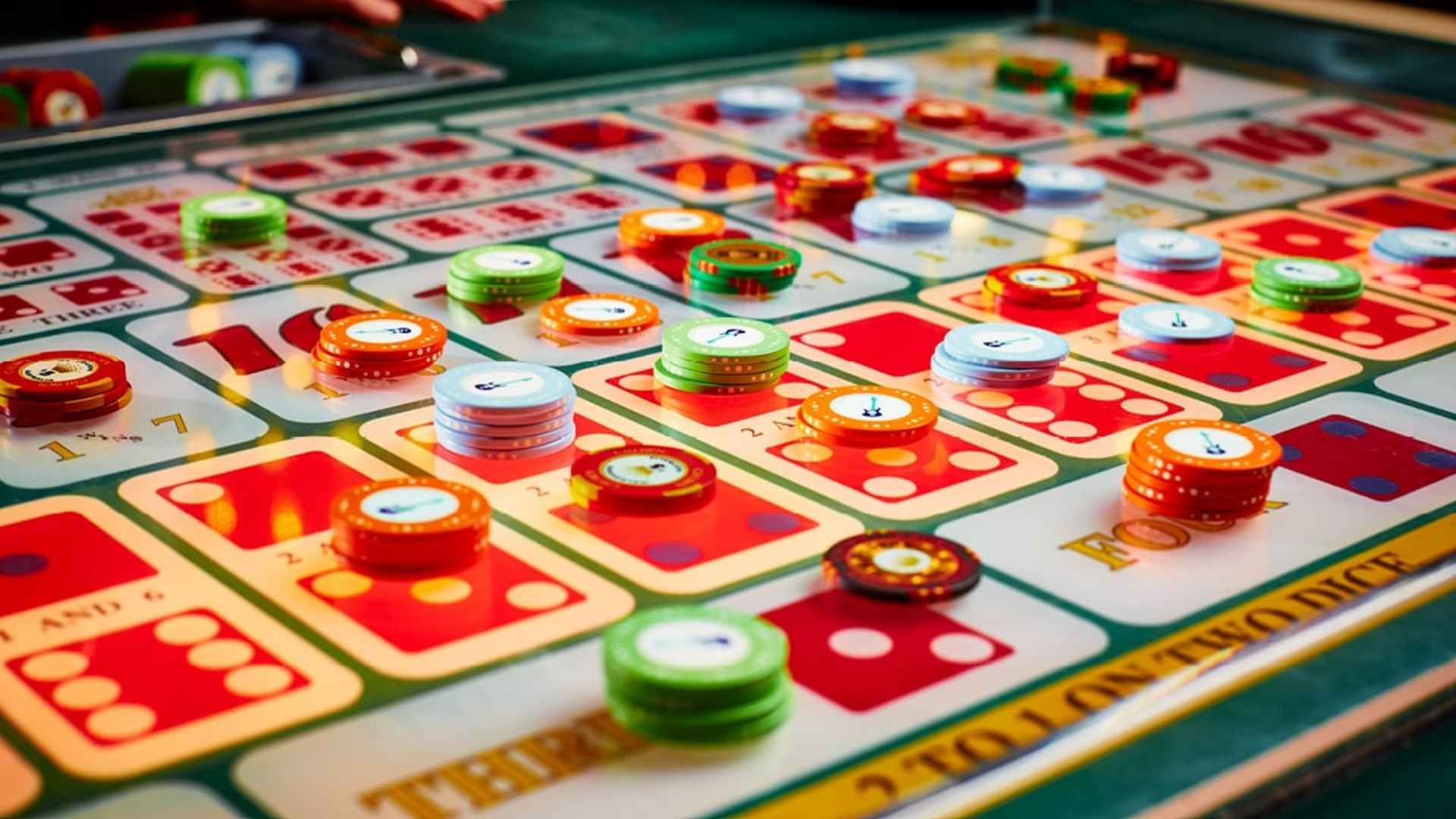
The flashing lights and suspenseful clicks of a prize wheel create an undeniable sense of anticipation for players looking for a quick thrill. While the physical movement of the needle suggests a game governed purely by momentum, modern digital adaptations rely on precise behind-the-scenes engineering. Understanding the technology that drives these systems reveals how fair play is maintained across digital platforms.
The Core Algorithm Behind the Spin
Every digital promotional wheel is powered by a system known as a Random Number Generator, or RNG. This specialized mathematical software operates continuously, cycling through thousands of complex numerical combinations every single second. The exact millisecond a player interacts with the interface, the system locks in a number that corresponds directly to a specific segment.
Because the calculations happen instantly, the visual animation of the spinning wheel is entirely decorative. This visual presentation exists solely to enhance the user experience and build thematic suspense for the participant. The computational model has already finalized the outcome before the graphic elements even begin to simulate movement on your screen.
Decoding Segment Probability and Mapping
A common misconception among casual players is that every visible wedge on a wheel offers an equal chance of winning. While the graphic layout might show perfectly identical slices, the backend software maps those spaces based on predefined weighting systems. High-value jackpots are tied to narrow numerical ranges within the software, making them statistically rare occurrences.
Conversely, secondary bonuses or minor loyalty points occupy a much larger percentage of the RNG distribution pool. Platforms that offer verified gaming services, such as m88ทางเข้า, ensure these probabilities are clearly audited to protect consumer transparency. Reviewing official paytables helps participants align their playtime expectations with the actual mathematical design of the game.
The Independence of Consecutive Turns
Human psychology often looks for patterns in random events, leading to the belief that a big reward is overdue after several near misses. However, digital prize structures function on a strict model of statistical independence, meaning past outcomes have zero impact on future results. The software carries no memory of previous cycles and generates a brand-new calculation for every single turn.
This independent structure ensures that hitting a major reward on one attempt does not decrease the likelihood of hitting it again immediately after. Accepting this reality allows players to enjoy the mechanics for what they are without relying on flawed prediction strategies. Consistency and controlled budgeting remain the only dependable habits when engaging with these software-driven environments.
Ensuring Integrity Through Compliance
To guarantee that these random distribution systems are truly unbiased, legitimate platforms submit their code to independent testing labs. Third-party auditing firms run rigorous algorithmic simulations to certify that no external factors can manipulate the results. This compliance framework ensures a level playing field where entertainment and transparency work hand in hand.